Everything You Need to Know About Plowing With a 1500 Pickup
Table of Contents
First, Check If Your Truck Is Even Invited to the Party
This is the part people skip, and it's the part that matters most. Not every 1500 is approved for a plow, and "approved" doesn't mean what you think it means.
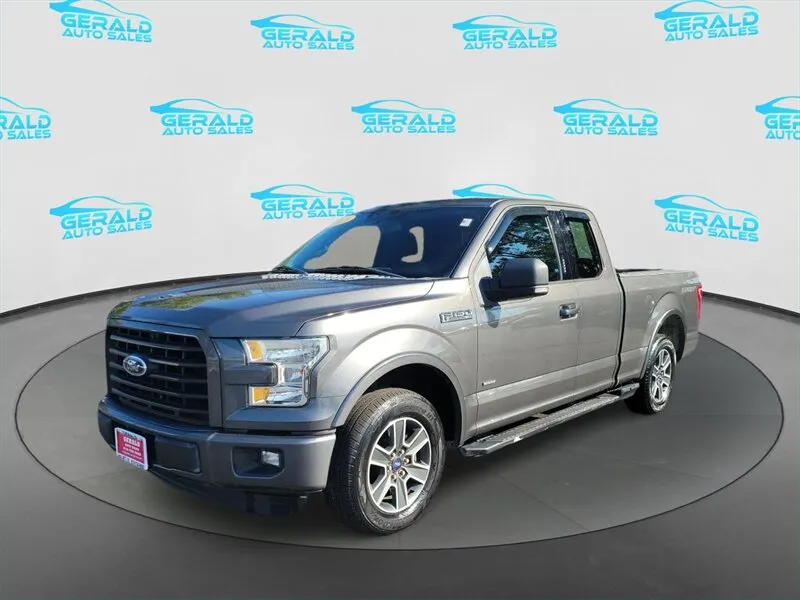
Ford F-150: Ford's own body builder document says the F-150 plow setup is for "residential/personal use only." That's their language, not mine. You need the Snow Plow Prep Package, and on the 2017+ trucks that package requires the 5.0L V8 and Lariat trim. Ford even gives you a "Snow Plow Mode" button that cuts power to heated seats and fog lamps so the plow gets what it needs. Nice touch, honestly.
Chevy Silverado and GMC Sierra 1500: GM is blunt about this. Only trucks ordered with the Snow Plow Prep Package (RPO code VYU) should be considered. Retrofitting a truck that didn't come with it? GM says that's "not recommended" because of the cost and complexity of reworking the coil-over front suspension. Translation: don't.
Ram 1500: Ram requires the Snowplow Preparation Group (sales code AHD), and it's not available on the 1500 Classic at all. If you're shopping used, crawl under the truck or call a dealer with the VIN. Don't take the seller's word for it.
Here's the thing nobody tells you: if the truck doesn't have the factory prep package, you're not just missing a sticker. You're missing upgraded cooling, a bigger alternator, and front suspension bits designed for the load. Adding those after the fact is expensive and sometimes explicitly discouraged by the manufacturer.
The Weight Math That Surprises Everyone
A 700-pound plow does not add 700 pounds to your front axle. It adds more. Sometimes a lot more.
GM's owner's manual actually gives you the formula:
Weight added to front axle = (Plow Weight × (Distance Ahead of Axle + Wheelbase)) ÷ Wheelbase
Their example: a 700 lb plow mounted 4 feet ahead of the front axle on a 10-foot wheelbase puts 980 pounds on the front axle. That's a 280-pound penalty just for hanging the thing out front.
Why does this matter? Because your front gross axle weight rating (FGAWR) is on the door jamb sticker, and it fills up fast. Plow, driver, passenger, fuel—suddenly you're at or over the limit before you've even dropped the blade.
And here's the counterintuitive part: even if you're under the front axle rating, you might not have enough weight on the rear axle for the brakes to work properly. That's why both Ford and GM require ballast behind the rear axle. It's not a suggestion. It's a handling and braking requirement.
My practical rule: stay under 500 pounds for the plow, and aim for 300–400 if you can. One forum guy running a 325-pound First Trax on a Ram 1500 with air suspension was told by the plow manufacturer it was workable for occasional driveway use. That's about the edge of sensible.
The Maintenance Bill Nobody Warns You About
Plowing is classified as severe-duty use. On a proper 3/4-ton truck, you might get 3–5 years before a front-end rebuild. On a half-ton, guys who do this regularly report $600–$1,200 a year in front-end work.
What goes first:
- Tie rods, ball joints, wheel bearings, steering parts—they're carrying that plow weight constantly
- Brakes—extra weight plus constant speed changes
- Transmission—low-speed high-torque work generates heat, which is why auxiliary coolers get recommended
- The electrical system—plow hydraulics, lights, defroster, and heater all pulling at once
And salt. Don't forget salt. It eats brake lines, fuel lines, and frame rails. Wash the undercarriage. Actually wash it, not just a quick spray.
If you go into half-ton plowing thinking it's free after the plow purchase, you're going to be unpleasantly surprised.
The Warranty Conversation You Need to Have With Yourself
This is where people get burned, and it's rarely because the manufacturer was sneaky. It's because they didn't read.
Ford's warranty applies if the plow is installed per their guidelines—prep package, correct trim and engine, ballast, all of it. Deviate and coverage for related failures gets shaky.
GM says plainly that modifications can cause failures not covered by the warranty. A non-VYU truck used for plowing falls into that risk zone.
And here's one from a Ram forum that stuck with me: a guy noted that MaxCare extended warranties exclude anything used for snow plowing—even on 2500 and 3500 trucks with the plow package. So this isn't just a half-ton problem. It's a "read your paperwork" problem.
Before you buy anything, read the owner's manual for that specific year and model. If it says not approved for snow plowing, believe it. The internet will tell you it's fine. The internet isn't paying your repair bill.
How to Actually Operate the Thing
If you've got the right truck and a light plow, here's what the manuals and experienced owners say:
Speed: Ford specifies not exceeding about 45 mph with a plow attached. In practice you'll be way slower—under 5 mph in tight spots, and Ford recommends 4L there.
Blade angle for cooling: If you're driving more than about 15 miles in above-freezing temps, angle the blade fully left or right so air can reach the radiator. The plow blocks the grille. The engine will run hot. This is one of those small things that saves you a big thing.
Ballast: Add weight behind the rear axle per the plow or truck manufacturer's spec. Not optional. It's about braking and handling.
Passengers: Ram's guidance for light-duty plowing says one occupant—the driver—with the blade attached. GM similarly recommends just the driver when a plow is mounted. Make of that what you will, but the manufacturers aren't being shy about it.
One Ram-specific gotcha: Later Gen4 Ram 1500s with the BW44-44 transfer case—you can tell by an "Auto" option on the 4WD selector—have a clutch-driven front axle that can slip and overheat under plow load. The BW44-45 case, which has no "Auto" option, avoids that. If you're shopping used Rams, this is worth knowing.
So… Should You Do It?
Do it if:
- Your truck has the factory plow prep package (Ford 68P, GM VYU, Ram AHD)
- You're plowing your own driveway, a handful of times a winter
- You're running a light plow—under 500 lbs, ideally 300–400
- You're okay with annual front-end inspections and the occasional repair bill
- You'll actually follow the ballast and speed rules
Don't do it if:
- You want to plow commercially or for multiple properties
- Your truck doesn't have the factory prep package
- You have air suspension and haven't confirmed with the plow manufacturer that it's approved (the truck maker's approval isn't enough here)
- You can't stomach the warranty risk
- You need reliability in heavy, frequent snow—that's 2500/3500 territory
Watch It in Action (And What to Look For)
Reading about plowing is one thing. Watching a half-ton actually do it—without breaking anything—is another.
CHEVY 1500 PLOWING https://www.youtube.com/watch?v=G2QHUXTUey8
FORD F150 PLOWING https://www.youtube.com/watch?v=qck4pSqmzMs
RAM 1500 PLOWING https://www.youtube.com/watch?v=lFrDaZnEUSM
Plow Equipment Quick Links
Start with fitment, then price the whole package.
- Meyer Products — meyerproducts.com
- HomePlow line for half-tons. Fitment tool by year/make/model.
- SnowDogg (Buyers Products) — snowdogg.com
- VMXII V-plow under 550 lbs. Dealer locator.
- Etrailer — etrailer.com
- Browse fitment + full package pricing. Mounting receiver sold separately.
- Fisher Engineering — fisherplows.com
- Light-duty lineup, broad dealer network.
- Western Products — westernplows.com
- Light-duty options, fitment guide.
- Hiniker — hiniker.com
- Light-duty plows, dealer locator.